

The role of probability in gambling: how luck and skill interact.
Understanding Probability in Gambling
Probability forms the backbone of gambling, providing a framework that influences both the outcome of games and the decisions players make. At its core, probability represents the likelihood of particular outcomes occurring. In games of chance like slot machines or roulette, neosurf casino bonus where the elements of luck dominate, understanding the odds can greatly affect how a player approaches their strategy. For instance, recognizing that a particular slot machine has a high return-to-player percentage could encourage a player to opt for that game over others.
Even in skill-based games such as poker, probability calculates the odds of various hands, allowing players to weigh their chances of winning against potential losses. In this context, understanding probabilities can separate successful players from amateurs. It’s essential for anyone wishing to navigate the gambling landscape effectively to grasp how to apply probability, alongside their own skills, to make informed decisions. This intersection of probability and skill is where strategic advantages can be achieved.
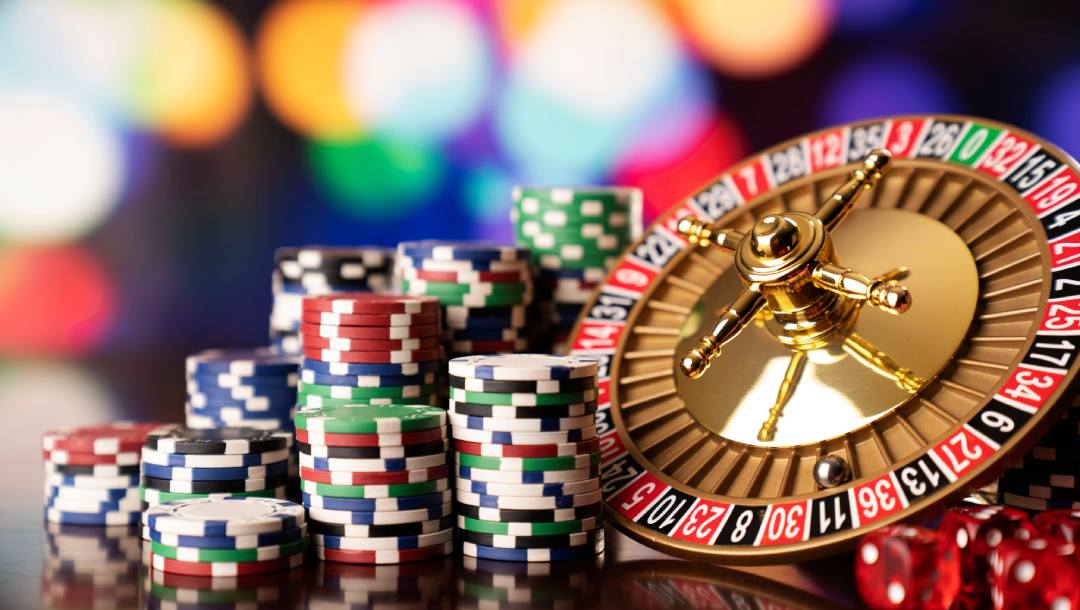
Moreover, players must continually update their understanding of how probability affects their gameplay. This awareness can manifest through studying game mechanics, analyzing past performances, and engaging in discussions within communities of players. Improved probability knowledge not only enhances strategic decision-making but also fosters a deeper appreciation for the nuances of each game. Every roll of the dice or flip of a card involves a complex interplay of mathematical principles that, when understood, can enhance the excitement of the game.
The Role of Luck in Games
Luck plays a pivotal role in gambling, often overshadowing skill in games of chance. Players frequently rely on sheer fortune to determine the outcomes, leading to unpredictable and exciting results. For instance, in games like roulette or craps, the outcome is entirely dependent on random events, making luck the primary factor. Many gamblers embrace this aspect, celebrating both the highs of winning streaks and the lows of significant losses as part of the gambling experience.
However, relying solely on luck can be a double-edged sword. While it may lead to temporary success, consistent winnings are usually not sustainable without some degree of skill or strategy. Players who understand the influence of luck on their game are better positioned to enjoy gambling responsibly, recognizing when it’s time to walk away after a streak of good fortune. This understanding can enrich the gambling experience and help mitigate unnecessary losses. Additionally, the thrill of encountering lucky moments is often what keeps players coming back, reinforcing the bond between chance and entertainment.

Skill-Based Gambling and Strategy
In contrast to games driven by luck, skill-based gambling requires players to develop strategies that enhance their chances of winning. Poker is a prime example where skill profoundly impacts the outcome. Experienced players can calculate pot odds, read opponents, and make strategic decisions based on their hand and community cards. This skill set makes it possible to sway the odds in their favor, transforming probability into a more manageable component.
Moreover, even in luck-driven games, players can implement skill-based approaches. Understanding when to bet, how to manage bankrolls, and which games to choose can lead to smarter, more calculated risks. Gamblers who invest in enhancing their skills through experience and practice can navigate the unpredictable landscape of chance with greater confidence, thus gaining a competitive edge. They can also learn from their previous decisions, adapting their strategies in real-time to reflect their growing understanding of both the game and its inherent uncertainties.
Finding Balance Between Luck and Skill
Success in gambling often hinges on finding the right balance between luck and skill. While chance elements are undeniable, recognizing and honing skills can provide a strategic advantage. For instance, a poker player who knows how to bluff effectively can increase their chances of winning against less adept opponents. Furthermore, in games like blackjack, employing card counting techniques can shift the odds slightly in a player’s favor, allowing them to capitalize on luck-filled moments.
This balance also extends to understanding when to take risks. An astute gambler knows that merely relying on fortune will not yield consistent positive results over time. Instead, a calculated approach that intertwines skillful decision-making with the inherent randomness of gambling can create a rewarding experience. Players must continuously assess their skills and their luck while adapting their strategies accordingly. Additionally, seeking feedback from peers and mentors can provide valuable insights into effective techniques for improving skill and strategy, reinforcing the importance of collaboration and knowledge-sharing within the gambling community.
Explore More at Neosurf Casino
If you’re interested in diving deep into the world of online gambling, Neosurf Casino offers a plethora of options for both luck and skill-based games. Whether you’re someone who thrives on the excitement of chance or a strategic player looking to enhance your skills, the choice of games is vast. Players can explore various games that employ both probability and strategy, ensuring a thrilling experience regardless of one’s preferred style.
With resources available for learning more about the dynamics of gambling, players can further engage with the nuances of skill and luck. By taking advantage of the opportunities offered at platforms like Neosurf, gamblers can enrich their understanding and improve their gameplay—whether they’re relying on a favorable turn of events or employing sharp skills to outsmart their opponents. Continuous learning, practice, and adaptation are essential for anyone looking to thrive in this vibrant and ever-evolving landscape.